Dissemination and Implementation Group (DIG)

Introduction

At the MLRC, we’re passionate about helping educators like you use evidence to strengthen learning for multilingual students—and we believe we can all get smarter together. The MLRC School Network team supports schools in expanding the impact of Action Research by providing ongoing support to launch or continue action research projects, to implement the changes recommended as part of the research, or to share research findings through writing or through conference presentations.  

These resources are available as part of the MLRC School Network Membership and is one of the benefits of your MLRC School Network Membership! 

Previous MLRC Research Symposium participants who have finished their initial data collection/analysis and submitted Capstone reports are encouraged to access DIG resources. These resources are intended to help participants implement the changes recommended as part of their research, or to present their findings through writing or conference presentations.  

DIG resources support 2 parallel goals: 

  1. Dissemination: Support you/your team writing about your research through practitioner or academic publications or presenting about your research at conferences.  
  2. Implementation: Build your capacity to implement what you learned through your action research within your school context. 

DIG resources are available through our shared Google Drive, accessible through the button below. 


Action Research Participant Publications

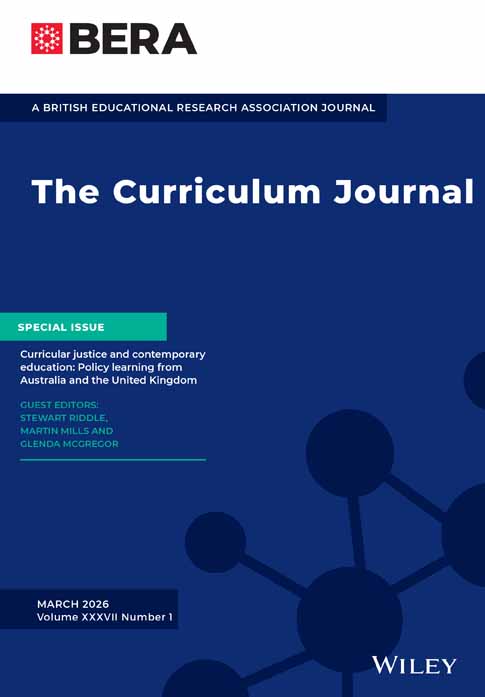
Article Cover
Click to read article

Inspired by the MLRC Research Symposium, Leysin American School English Language Acquisition (ELA) teacher, Mari McCarville recently published an article about her action research project. In the article, she explores how educators can better support neurodiverse multilingual learners in academic writing. This action research highlights what’s working, where gaps remain, and how explicitly teaching learning strategies, like mnemonics, can make classrooms more inclusive and equitable. A must-read for educators invested in multilingual education and learner-centered pedagogy.

Action Research Participant Conference Presentations

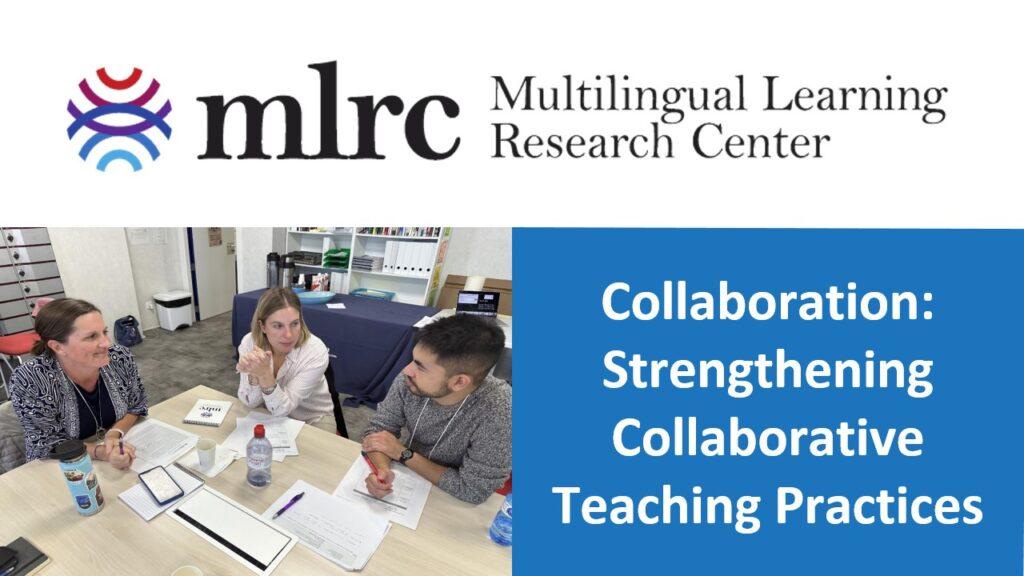
Powerpoint Intro slide
Click to view slides

In this conference workshop at AMISA Student Support Symposium, Jon Nordmeyer, Kelly Hogan, and Summer Alcauter explored what effective collaboration looks like in practice. By examining case studies from the American School of Guatemala and the International School of Panama, we will demonstrate how schools can move from traditional pull-out models toward a system of co-planning, co-teaching, and co-assessing. We will present tools to gather data about what faculty are currently doing to implement effective collaborative teaching and how they can collaborate to better support multilingual learners. The session will help participants identify their school’s current approach and  concrete steps toward improving their collaborative practices.

Click to view slides

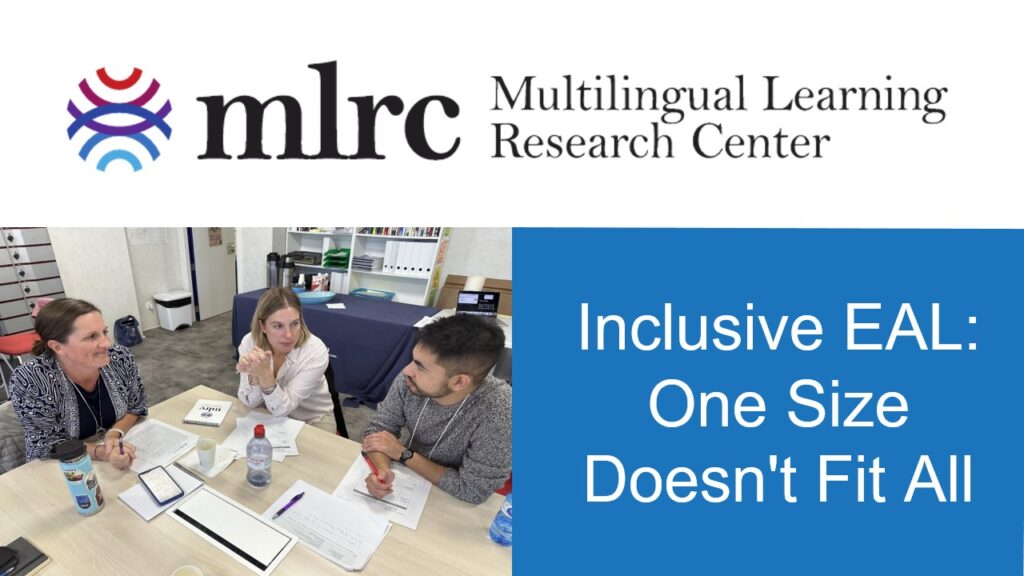
This workshop, presented by Dr. Esther Bettney Heidt, Nicole Davenport, Claudia Lyon, Stephanie Wei, Lorreine Draper, and Daniela Montero, focuses on building more inclusive EAL programs by investigating the intersection of neurodiversity and multilingualism. We will explore various models of effective procedures for identifying student strengths, helping educators move beyond a “one-size-fits-all” approach and avoid the over- or under-identification of multilingual learners for Learning Support services. This pilot study highlights effective, assets-based strategies currently implemented in 12 different international schools that build on a student’s unique background and strengths. 

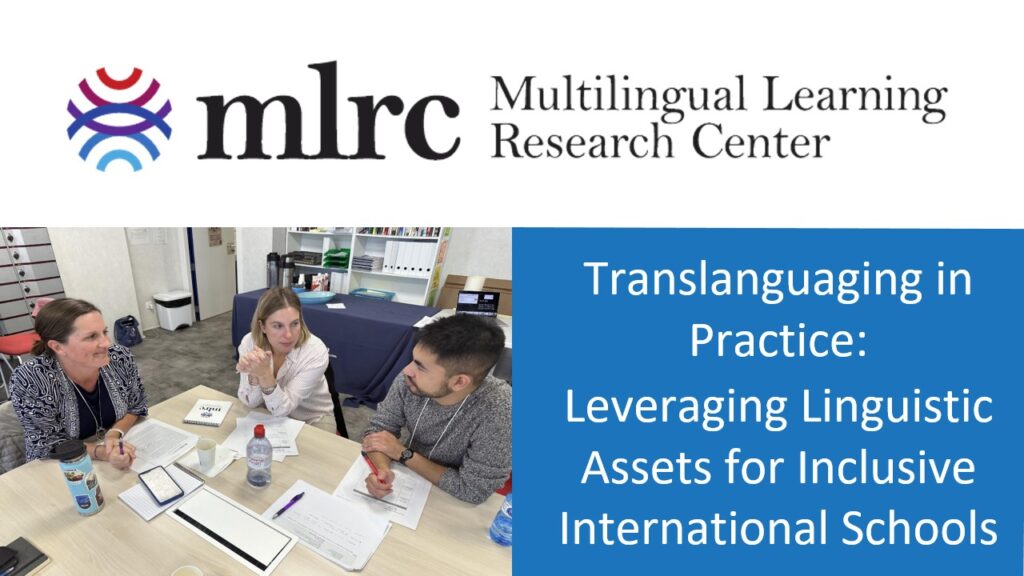
Translanguaging in Practice: Leveraging Linguistic Assets for Inclusive International Schools
Click to view slides

This workshop, presented by Dr. Esther Bettney Heidt and educators from the American School of Asunción and Asociación Escuelas Lincoln, focuses on moving beyond theory to implement a truly asset-based approach for multilingual learners. We will explore practical translanguaging pedagogies and strategies that educators can use to create an inclusive environment where all languages are valued. Based on our research, we’ll discuss how to leverage the full linguistic repertoires of both students and local staff to dismantle the hierarchy of languages often found in international schools. The session will also address common challenges, such as a lack of teacher training or stakeholder resistance, and provide actionable steps to navigate them.